Why Core Aeration & Top Dressing Are Crucial for Your Lawn

Understanding Core Aeration
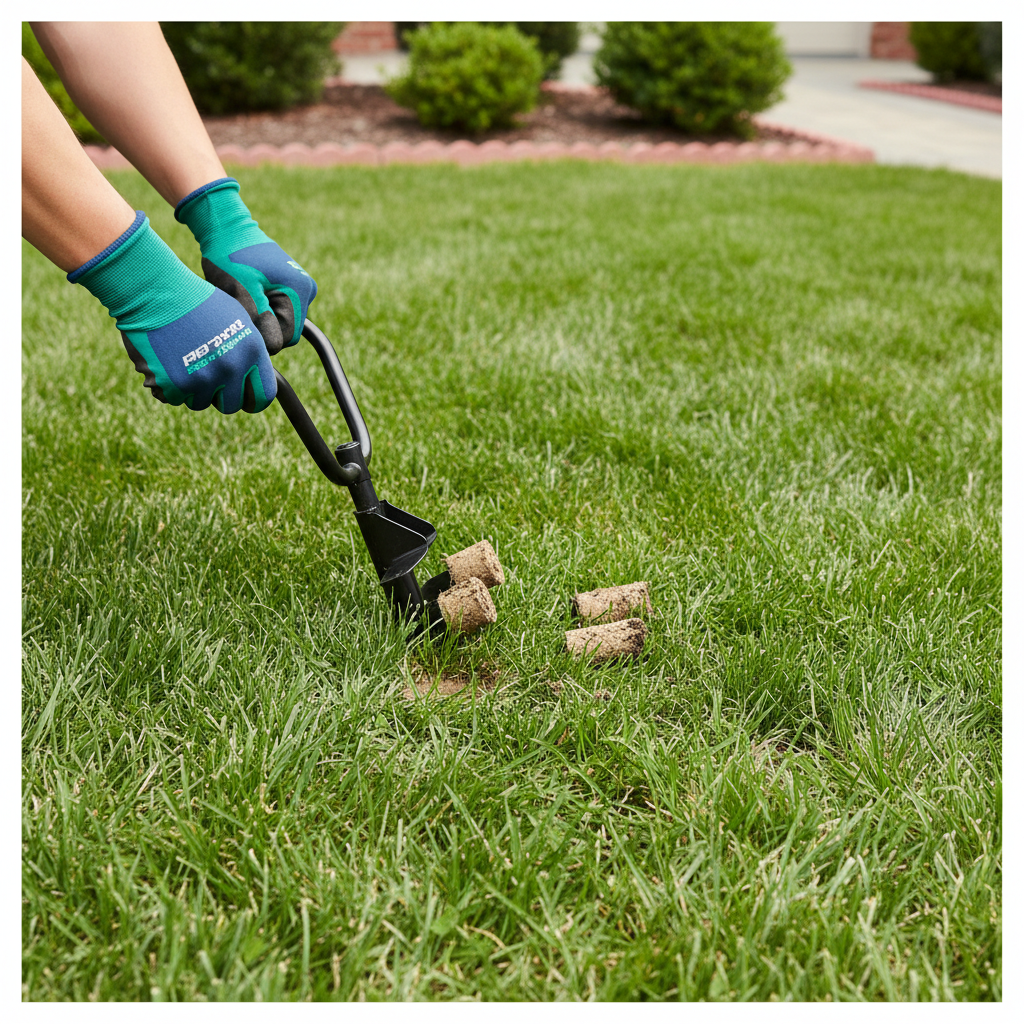
Core aeration is a vital process that involves perforating the soil with small holes to allow air, water, and nutrients to penetrate the grass roots. This process helps the roots grow deeply and produce a stronger, more vigorous lawn. Over time, soil can become compacted, which limits the flow of essential resources to the roots. Regular aeration alleviates this compaction, ensuring your lawn remains healthy and lush.
Benefits of Core Aeration
The benefits of core aeration are numerous. By loosening compacted soil, it improves the movement of air, water, and nutrients, which are essential for grass health. Aeration also helps reduce thatch, a layer of dead grass that can suffocate your lawn if it becomes too thick. Additionally, it enhances the lawn’s drought resistance and improves its overall resilience against disease.
Exploring Top Dressing
Top dressing involves the application of a thin layer of soil or compost over the lawn. This practice is often done in conjunction with aeration to enhance soil quality and promote healthier grass growth. Top dressing helps to smooth out uneven surfaces, improve soil structure, and increase the lawn’s ability to retain moisture.
How Top Dressing Works
When you apply a top dressing, it works its way into the aeration holes and soil surface, integrating with the existing soil. This process improves soil structure by increasing its porosity and organic content, resulting in better root development. Regular top dressing can lead to a more uniform and attractive lawn appearance.
Combining Core Aeration and Top Dressing
While both processes offer significant benefits individually, combining core aeration and top dressing can significantly amplify the results. Aeration prepares the soil to receive the nutrients from the top dressing, optimizing the effectiveness of both treatments. This combination results in a healthier, more robust lawn.

When to Perform These Lawn Care Practices
The best time to perform core aeration and top dressing depends on the type of grass on your lawn. For cool-season grasses, early spring or fall is ideal, whereas for warm-season grasses, late spring to early summer is recommended. Timing these practices correctly ensures maximum benefit and helps your lawn to recover and thrive.
Conclusion
Incorporating core aeration and top dressing into your lawn care routine can transform your lawn into a lush, vibrant landscape. These practices address soil compaction, improve nutrient absorption, and enhance the overall health of your grass. By understanding and implementing these techniques, you’ll enjoy a healthier, more resilient lawn year-round.