Post-Storm Cleanup: How to Restore Your Property Quickly and Safely

Understanding the Impact of the Storm
After a storm passes, it’s crucial to assess the damage it may have caused to your property. This initial evaluation helps in planning the necessary steps for cleanup and restoration. Look for visible damage to structures, trees, and power lines. Safety is paramount, so ensure there are no immediate hazards before proceeding.
Documenting the damage with photos or videos can be beneficial for insurance claims. Make a list of affected areas, noting any urgent repairs needed. This documentation will serve as a valuable reference throughout the cleanup process.
Prioritize Safety and Essential Repairs
Before beginning any cleanup efforts, ensure that the environment is safe. Check for any fallen power lines or gas leaks and report them to the appropriate authorities immediately. Wear protective gear such as gloves, boots, and helmets when assessing and cleaning up debris.
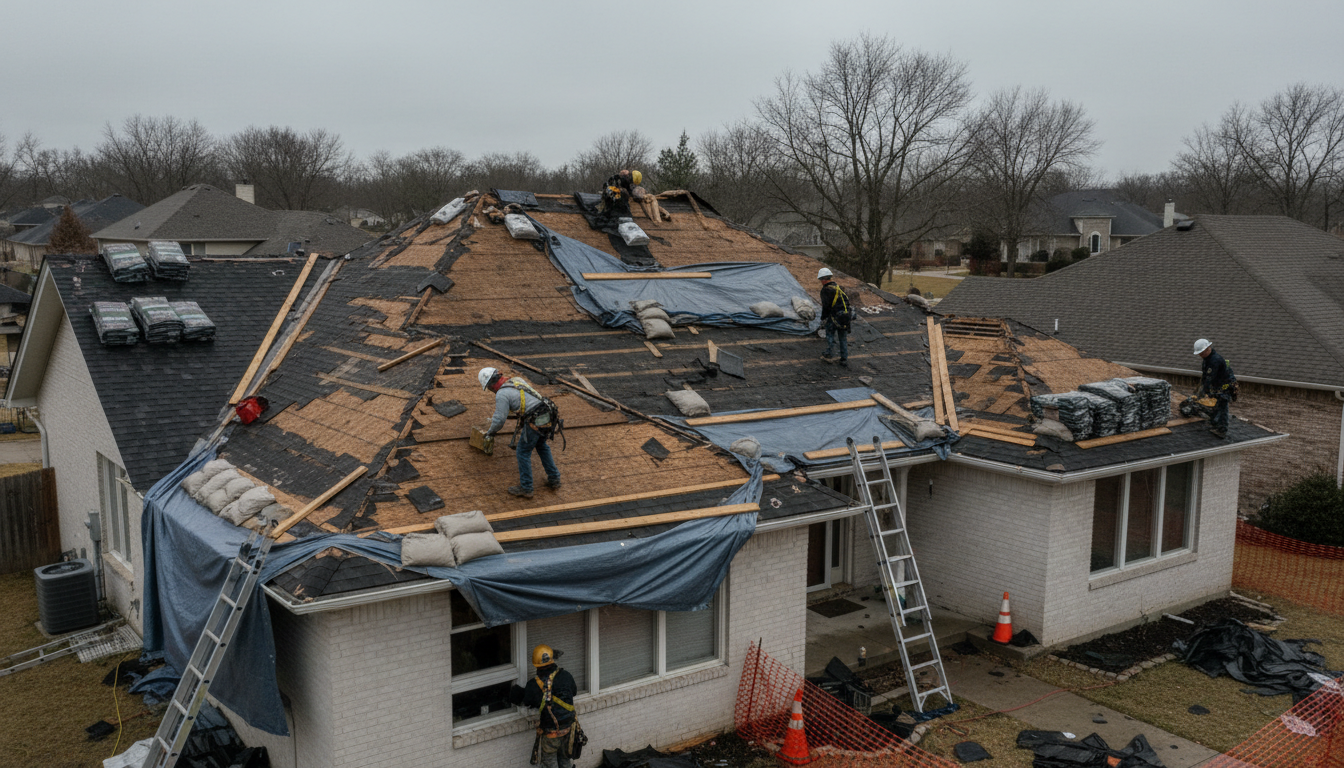
Start with essential repairs that prevent further damage, such as covering broken windows or tarping a damaged roof. This will help to protect your property from additional weather exposure while you plan more extensive repairs.

Engage Professional Help
For significant damage, it may be wise to hire professionals. Experienced contractors can handle structural repairs, electrical issues, and large-scale debris removal. They have the expertise and equipment necessary to ensure that the restoration process is both safe and effective.
Efficient Debris Removal
Debris removal is a critical part of post-storm cleanup. Start by clearing pathways and driveways to ensure access to and from your property. Use proper tools for the job, such as chainsaws for fallen trees and sturdy bags for smaller debris.
- Sort debris into categories: vegetation, construction materials, and general waste.
- Contact local waste management for disposal guidelines.
- Recycle materials whenever possible to minimize environmental impact.

Cleaning and Restoring Interiors
Once the exterior is secure, focus on the interior of your property. Check for water damage, mold, and structural issues. Use dehumidifiers and fans to dry out affected areas, and clean surfaces with appropriate disinfectants to prevent mold growth.
Repairing and repainting walls, ceilings, and floors may be necessary after severe storms. Consider contacting professionals for specialized cleaning services if needed.
Dealing with Insurance and Finances
Contact your insurance provider as soon as possible to report the damage. Provide them with the documentation and photos you collected during your initial assessment. Understanding your policy coverage can help streamline the claims process.
Keep all receipts and records of expenses related to the cleanup and repair efforts. This documentation can be crucial for reimbursement and financial planning.

Prepare for Future Storms
Once your property is restored, take steps to prepare for future storms. This can include reinforcing structures, installing storm shutters, and maintaining landscaping to minimize storm impact. Having an emergency plan in place will also ensure that you and your family are ready to respond effectively.
Regular maintenance and preparedness can reduce the damage and stress associated with future storms, helping to protect your property and peace of mind.