Maximize Irrigation Efficiency: Design and Maintenance Tips

Understanding Irrigation Efficiency
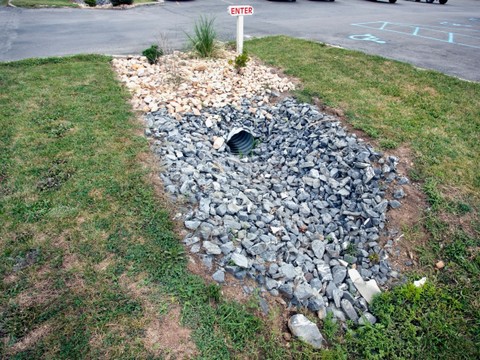
Effective irrigation is crucial for maintaining healthy landscapes and maximizing crop yields. By optimizing your irrigation system, you can conserve water, save money, and promote sustainable practices. Understanding the key components of a well-designed irrigation system is the first step towards achieving greater efficiency.
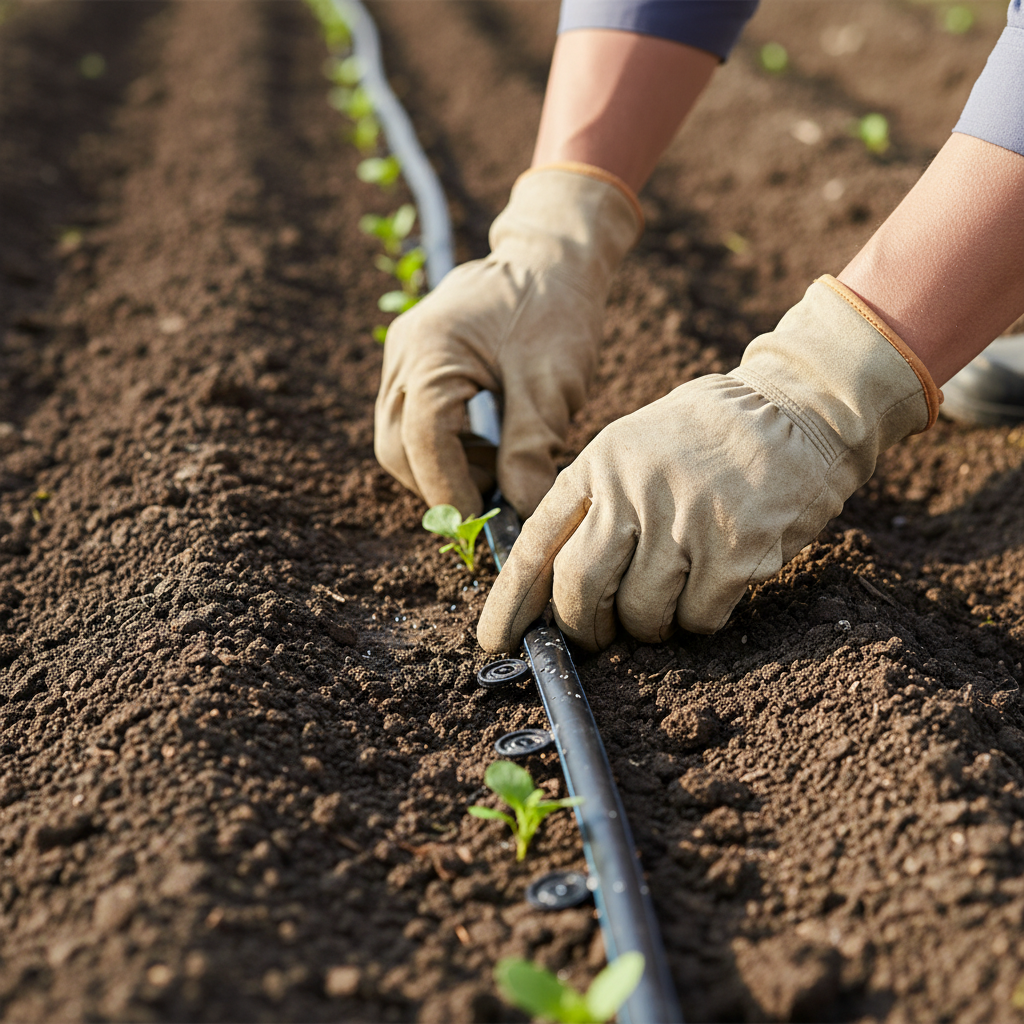
An efficient irrigation system delivers the right amount of water at the right time, minimizing waste and runoff. This involves selecting the appropriate system type, such as drip or sprinkler, and tailoring it to the specific needs of your plants or crops.
Designing an Efficient Irrigation System
Proper design is the cornerstone of an efficient irrigation system. Begin by assessing the landscape or field to determine water requirements. Consider factors like soil type, plant species, and local climate conditions. This will help in selecting the most suitable irrigation method.
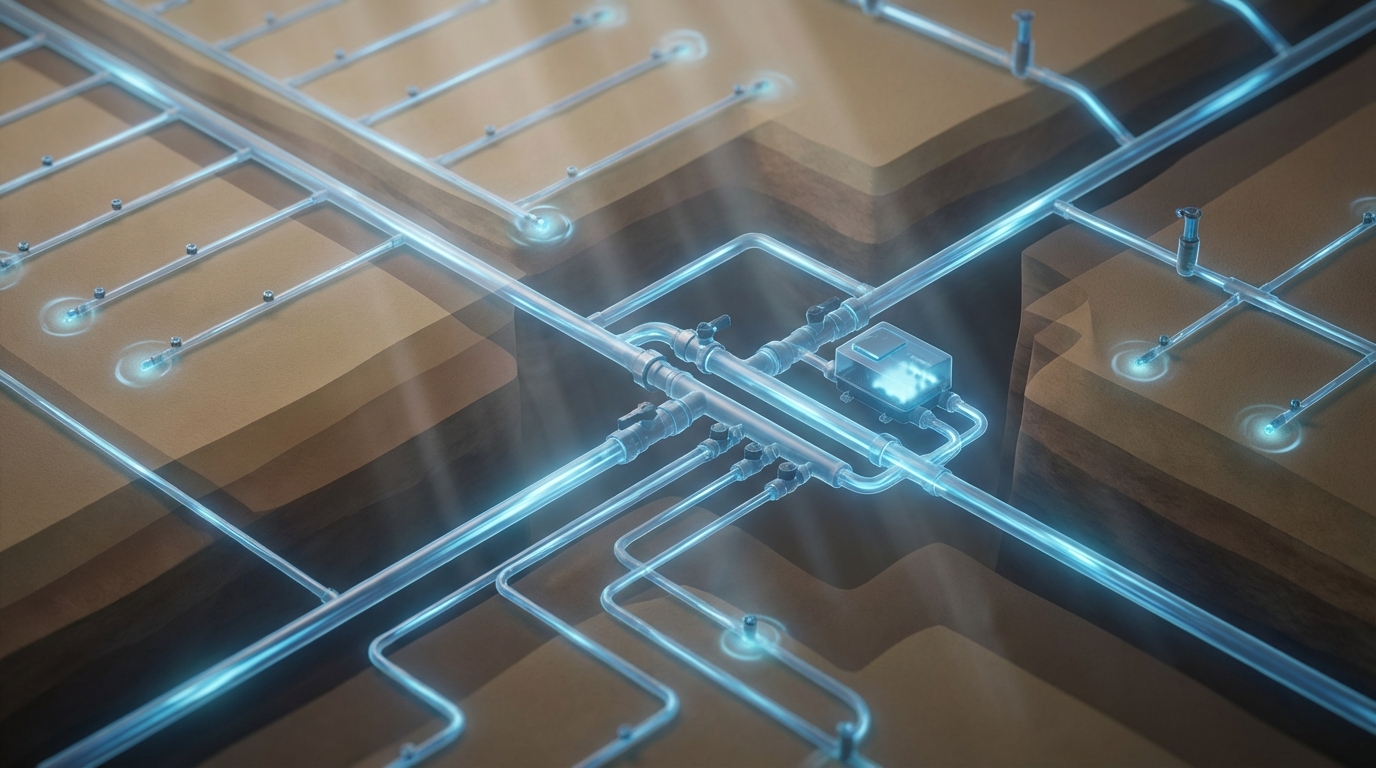
Once you have a clear understanding of the landscape needs, create a detailed layout plan. This should include the placement of pipes, valves, and emitters. Ensure there is uniform coverage to avoid overwatering some areas while leaving others dry.
Choosing the Right Components
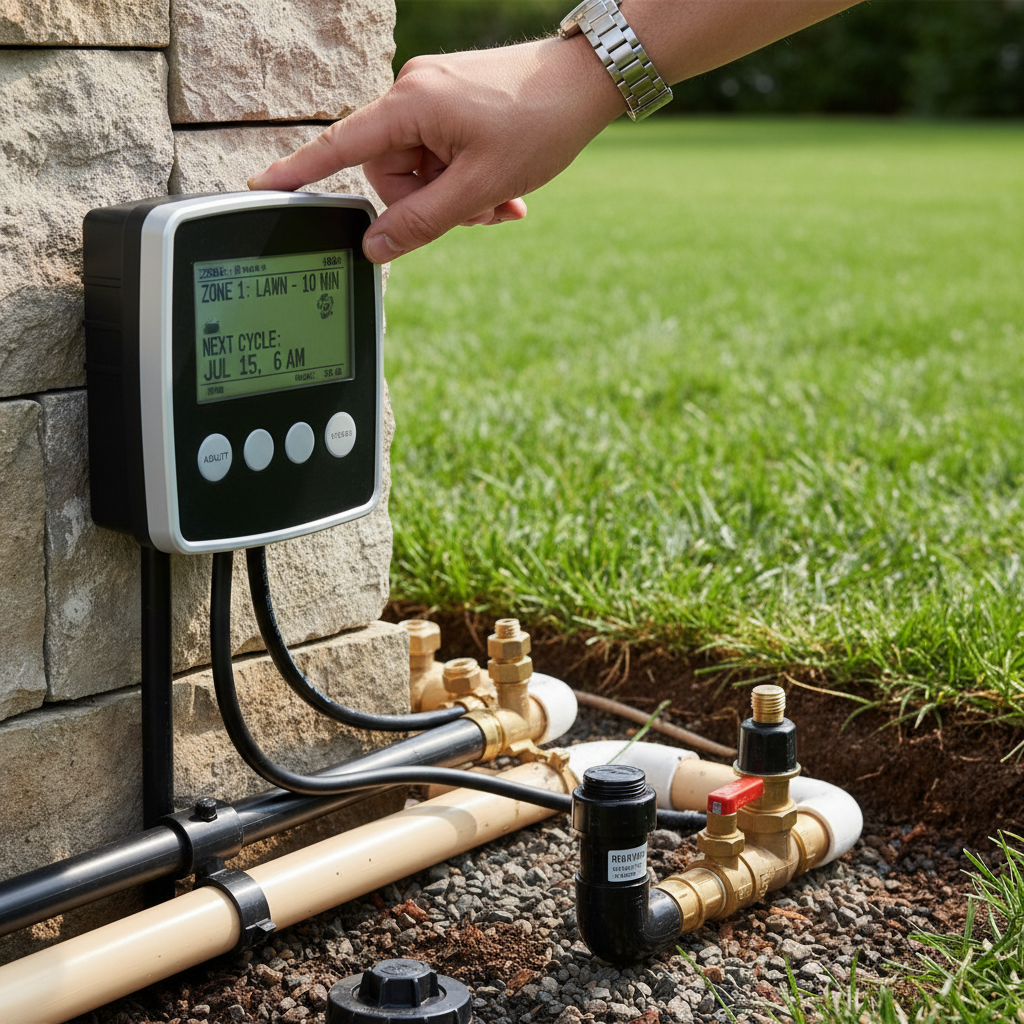
Select high-quality components to enhance the durability and efficiency of your system. Opt for weather-resistant materials and consider using advanced technology like smart controllers that adjust watering schedules based on weather forecasts.
Maintenance Tips for Longevity
Regular maintenance is essential to keep your irrigation system functioning efficiently. Start by inspecting the system for leaks, clogs, or damaged components. Address any issues promptly to prevent water waste and ensure consistent performance.
Cleaning filters and nozzles should be part of your routine maintenance to prevent blockages. Additionally, adjust the system regularly to accommodate changes in plant growth and seasonal weather variations.
Seasonal Adjustments
Adapt your irrigation schedule according to seasonal changes. During cooler months, plants require less water, whereas hot, dry periods may necessitate increased watering. Smart controllers can automatically adjust these settings, offering convenience and precision.
Maximizing Water Conservation
Water conservation is integral to an efficient irrigation system. Implement practices such as mulching to retain soil moisture and reduce evaporation. Additionally, consider planting drought-resistant species to minimize water usage.
Rainwater harvesting is another effective strategy. Collecting and utilizing rainwater can significantly reduce dependence on traditional water sources, promoting sustainability.
Monitoring and Evaluation
Regularly monitor the performance of your irrigation system to ensure it meets your efficiency goals. Use soil moisture sensors to determine the precise watering needs of your landscape. This data-driven approach can lead to more informed decisions and better resource management.
By following these design and maintenance tips, you can maximize the efficiency of your irrigation system, contributing to a healthier environment and more productive landscapes.