Expert Tips for Post-Storm Cleanup in Florida Neighborhoods

Understanding the Impact of Storms
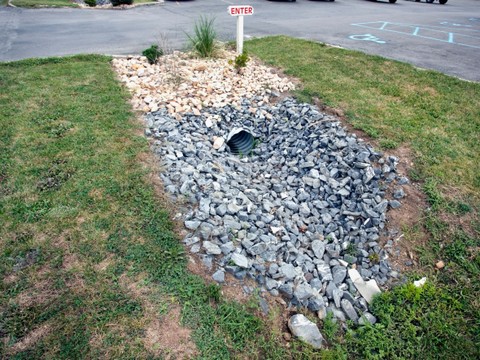
Florida neighborhoods often face the brunt of severe storms, leaving behind significant damage. Understanding the impact is crucial for effective cleanup. Storms can lead to fallen trees, flooded streets, and damaged property. It's essential to approach cleanup with a well-thought-out plan to ensure safety and efficiency.
Prioritize Safety First
After a storm, the first step is to ensure the safety of your surroundings. Check for downed power lines, gas leaks, and other hazards. Avoid areas with standing water, as they may conceal electrical dangers or sharp debris. Always wear protective gear such as gloves and sturdy boots during the cleanup process.
Effective Debris Removal
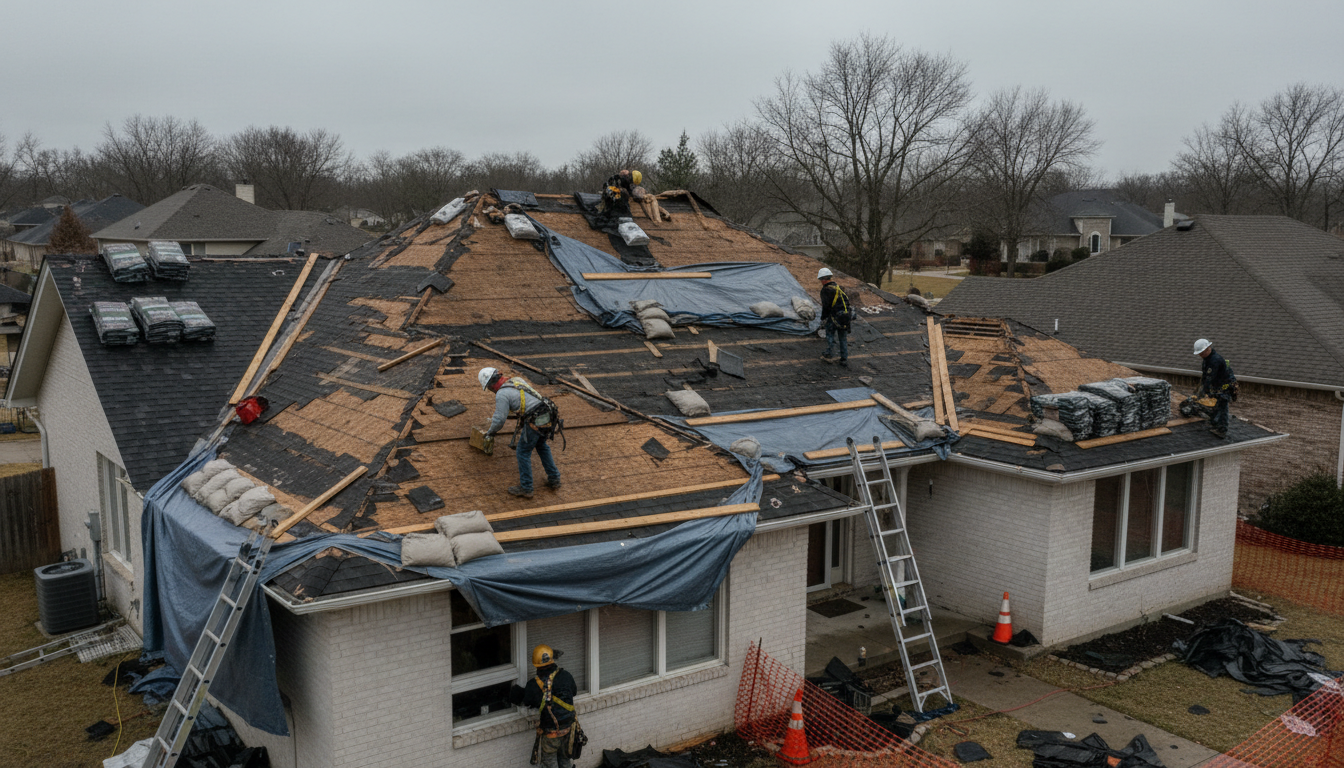
Debris removal is a critical part of post-storm cleanup. Start with larger items like fallen branches and damaged furniture. Use a chainsaw for cutting larger tree limbs, but only if you are trained to do so. For smaller items, rakes and wheelbarrows can be very helpful.
Sorting and Disposing of Debris
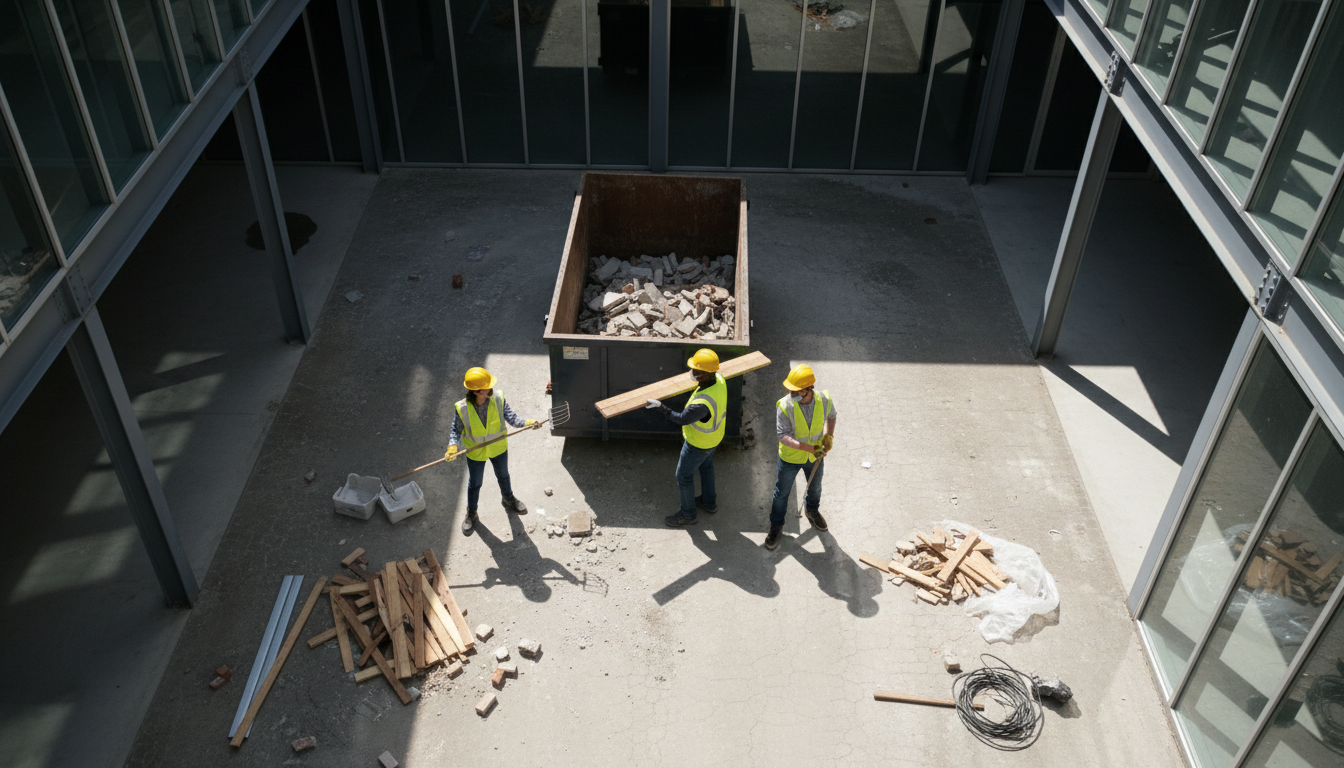
Proper sorting of debris is necessary for efficient disposal. Separate items into categories such as yard waste, recyclables, and hazardous materials. Many local waste management services offer special pickups for storm debris, so stay informed about community resources.
Addressing Water Damage
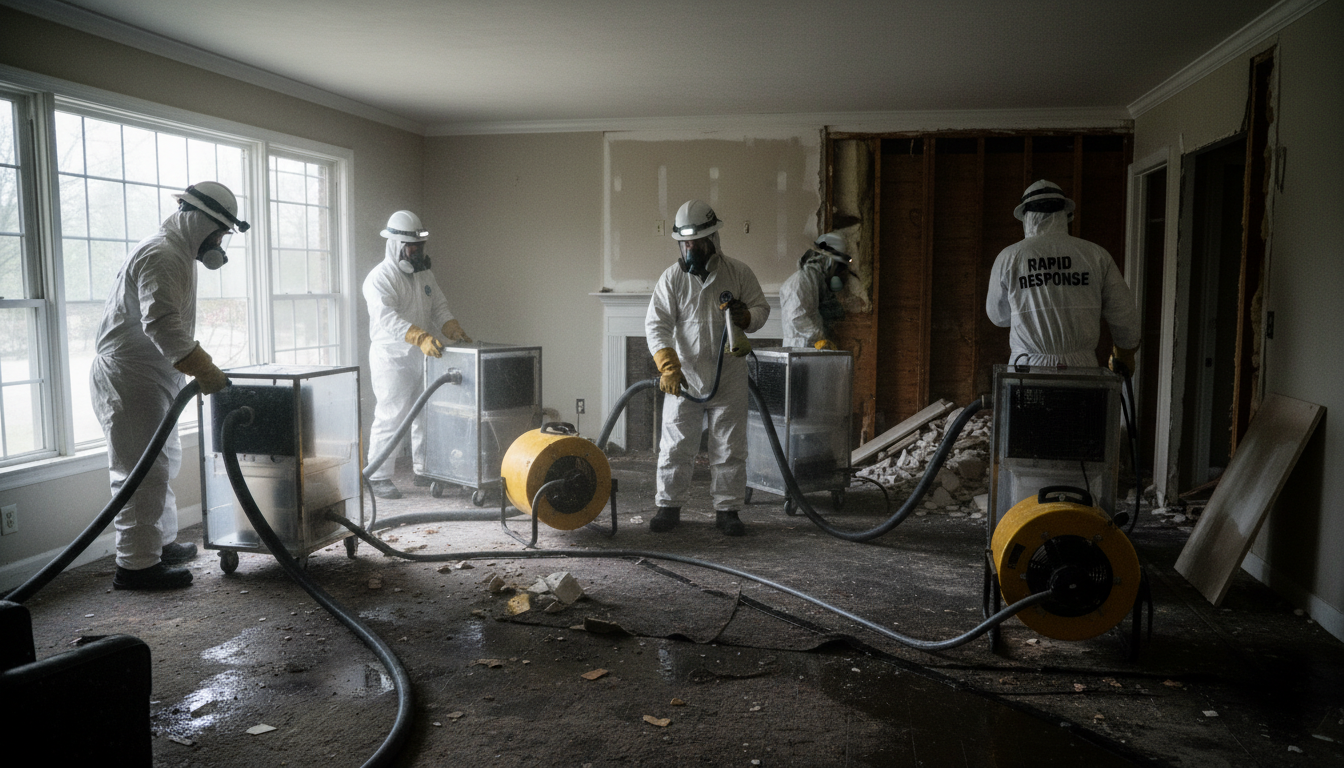
Water damage is a common issue after storms. Begin by drying out affected areas as soon as possible to prevent mold growth. Use fans, dehumidifiers, and open windows to circulate air. Remove wet carpets and furniture to allow the underlying surfaces to dry.
Preventing Mold Growth
Mold can develop within 24 to 48 hours, making quick action essential. Clean and disinfect all surfaces with appropriate cleaning agents. If mold is already present, consider hiring a professional remediation service to handle the issue safely and effectively.
Community Efforts and Resources
Community involvement can significantly enhance the post-storm cleanup process. Collaborate with neighbors to share resources and labor, making the task more manageable. Local government agencies often provide valuable resources such as information hotlines and cleanup supplies.
Utilizing Local Support
Stay informed about local support initiatives and community cleanup events. These events not only help in the cleanup process but also strengthen community bonds, providing a sense of unity and shared purpose in the aftermath of a storm.