Expert Tips for Maintaining a Healthy Lawn: Aeration and Composting

Understanding Lawn Aeration
Maintaining a lush, healthy lawn requires more than just regular mowing and watering. One essential practice is aeration, which involves perforating the soil with small holes to allow air, water, and nutrients to penetrate the roots. This process helps the roots grow deeply and produce a stronger, more vigorous lawn.
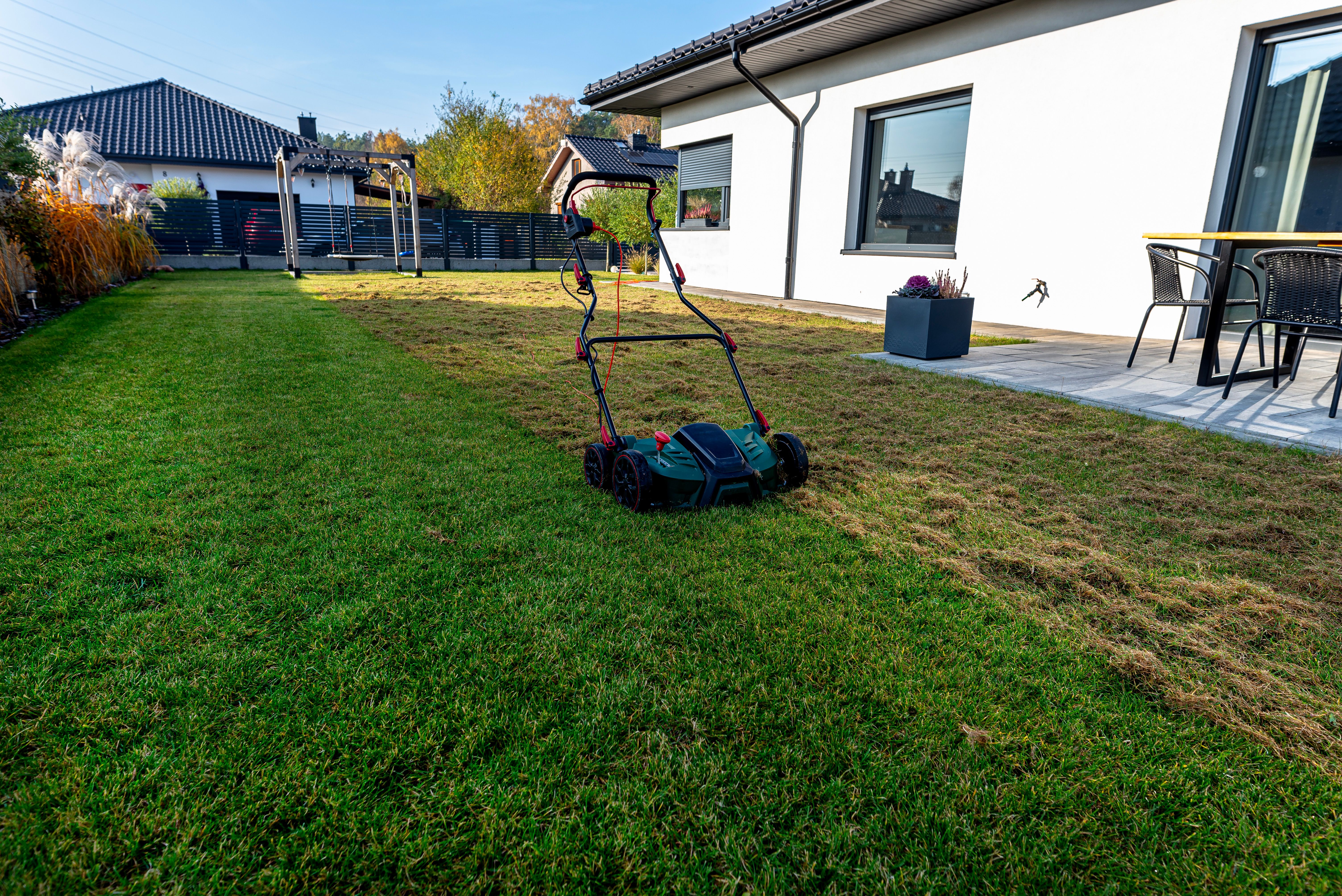
Aeration is particularly beneficial for lawns that endure heavy foot traffic, are part of a newly constructed home, or dry out easily. These conditions often lead to compacted soil, which restricts root growth and nutrient absorption.
When to Aerate Your Lawn
The best time to aerate your lawn depends on the type of grass you have. For cool-season grasses, early spring or fall is ideal, while warm-season grasses benefit from aeration in late spring or early summer. Aerating during these periods allows the lawn to recover quickly and take full advantage of the growing season.
Ensure that the soil is moist before aerating. If the ground is too dry, the aerator may have difficulty penetrating the soil, reducing the effectiveness of the process.
The Benefits of Composting
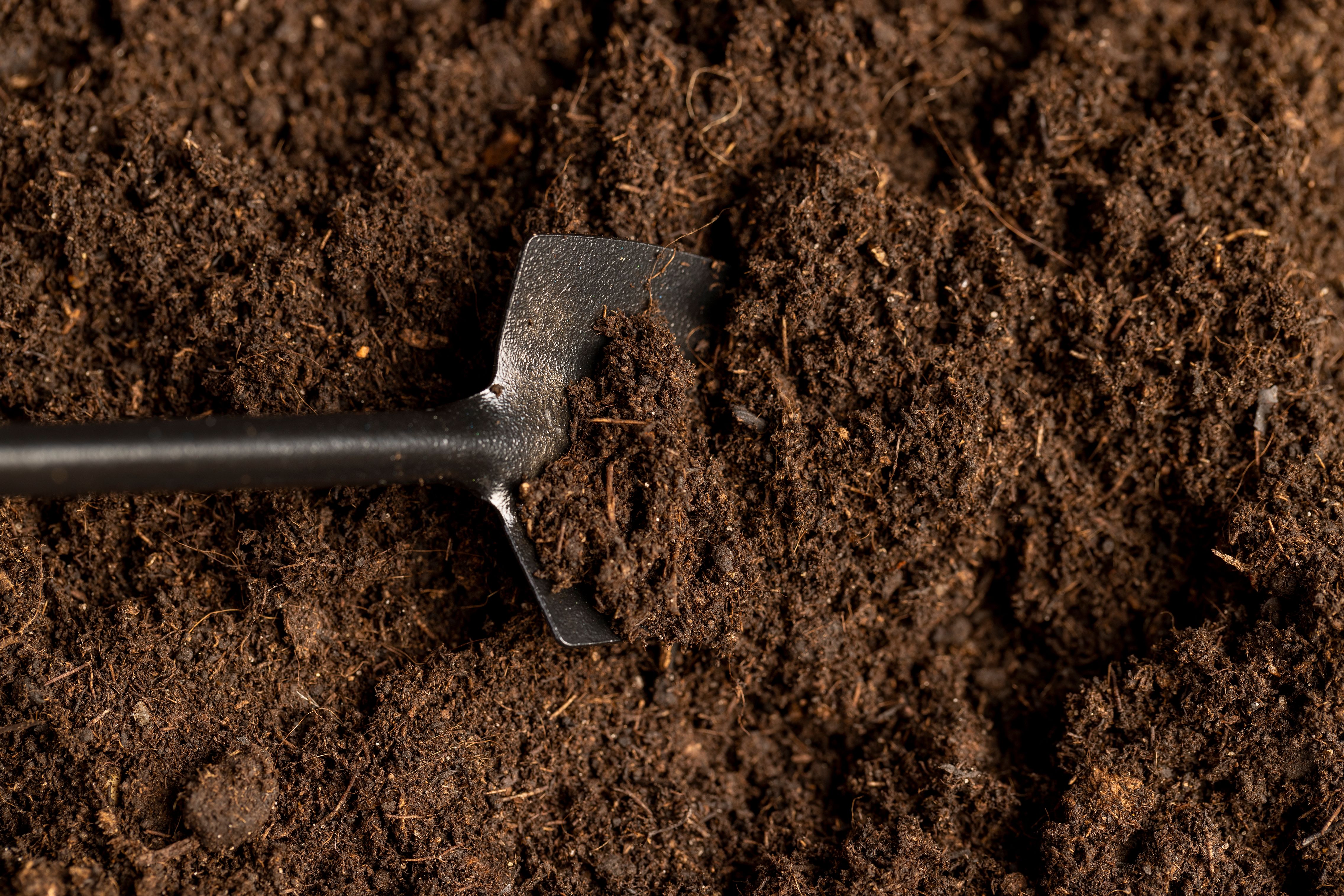
Composting is another excellent way to maintain a healthy lawn. By recycling organic waste into nutrient-rich material, composting enhances soil structure, increases nutrient content, and improves water retention.
Compost can be made from various organic materials, including grass clippings, leaves, vegetable scraps, and coffee grounds. When properly managed, composting can significantly reduce your lawn's need for chemical fertilizers.
How to Start Composting
Starting a compost pile is straightforward. Begin by selecting a suitable location in your yard, preferably a shady spot. Layer organic materials, alternating between green (nitrogen-rich) and brown (carbon-rich) materials. Regularly turn the pile to aerate it and speed up the decomposition process.
Maintaining the right moisture level is crucial for effective composting. The pile should feel like a wrung-out sponge—neither too dry nor too wet. If it becomes too dry, add water or more green materials. If it's too wet, incorporate brown materials to balance it out.
Combining Aeration and Composting
For optimal lawn health, combine aeration and composting. After aerating, apply a thin layer of compost over the lawn. This practice, known as top-dressing, allows the compost to fill the holes created by aeration, directly delivering nutrients to the roots.
Regularly incorporating these methods into your lawn care routine can lead to a more resilient and vibrant lawn, reducing the need for chemical interventions and enhancing the natural beauty of your outdoor space.