Expert Tips for Aeration and Composting in Florida's Climate

Understanding Florida's Unique Climate
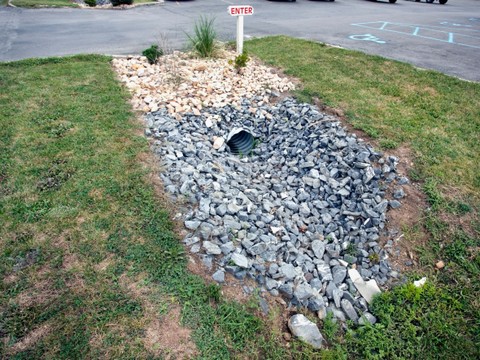
Florida's climate is known for its warm temperatures and high humidity, which can present unique challenges for lawn care and composting. The state's sandy soils and frequent rainfall require specific strategies to maintain healthy gardens and landscapes. Proper aeration and composting are essential practices for thriving plants in this environment.
The Importance of Aeration
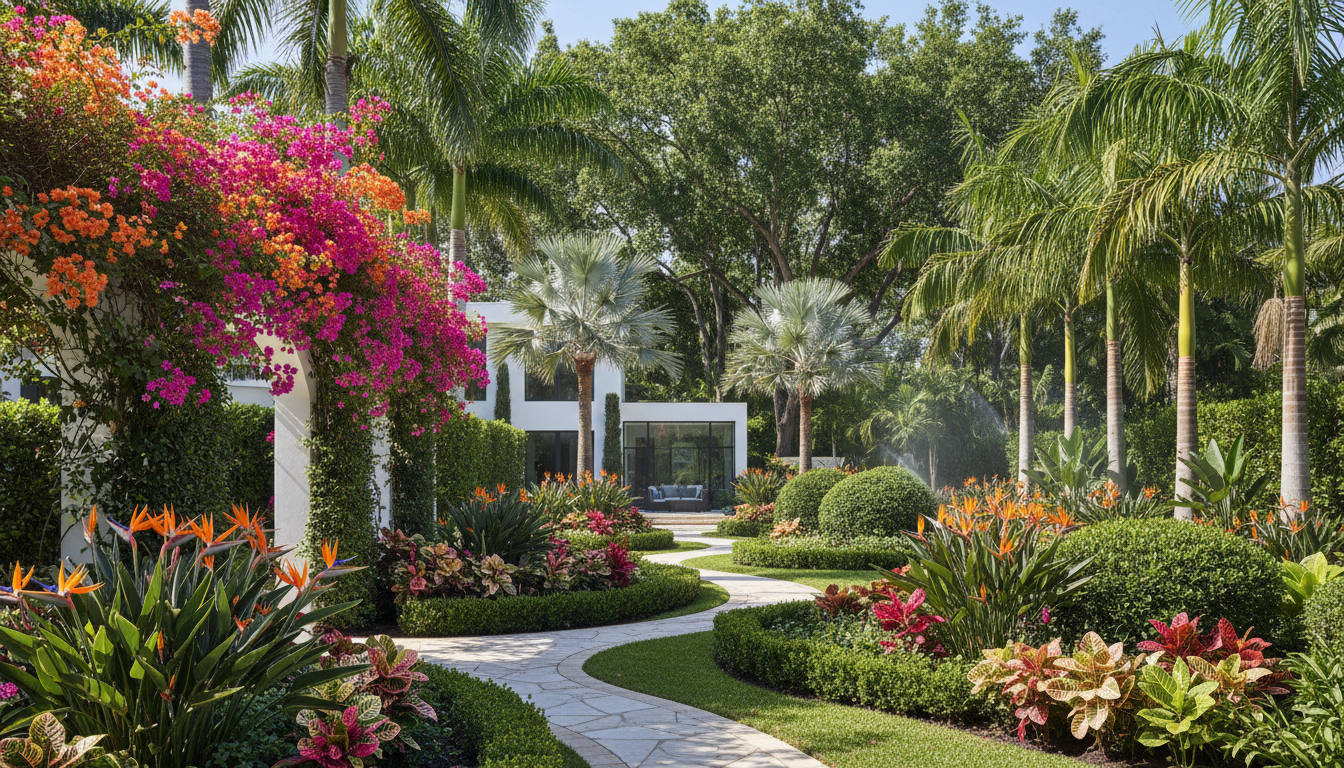
Aeration involves perforating the soil with small holes to allow air, water, and nutrients to penetrate the roots. This process is crucial in Florida's compacted soils, which can hinder plant growth. Aeration improves root development and helps reduce soil compaction, promoting healthier lawns.
When to Aerate
The best time to aerate your lawn in Florida is during the growing season when grass can heal and fill in any open areas. For warm-season grasses, such as St. Augustine or Bermuda, late spring to early summer is ideal. Ensure the soil is moist, but not soggy, to achieve the best results.
Choosing the Right Equipment
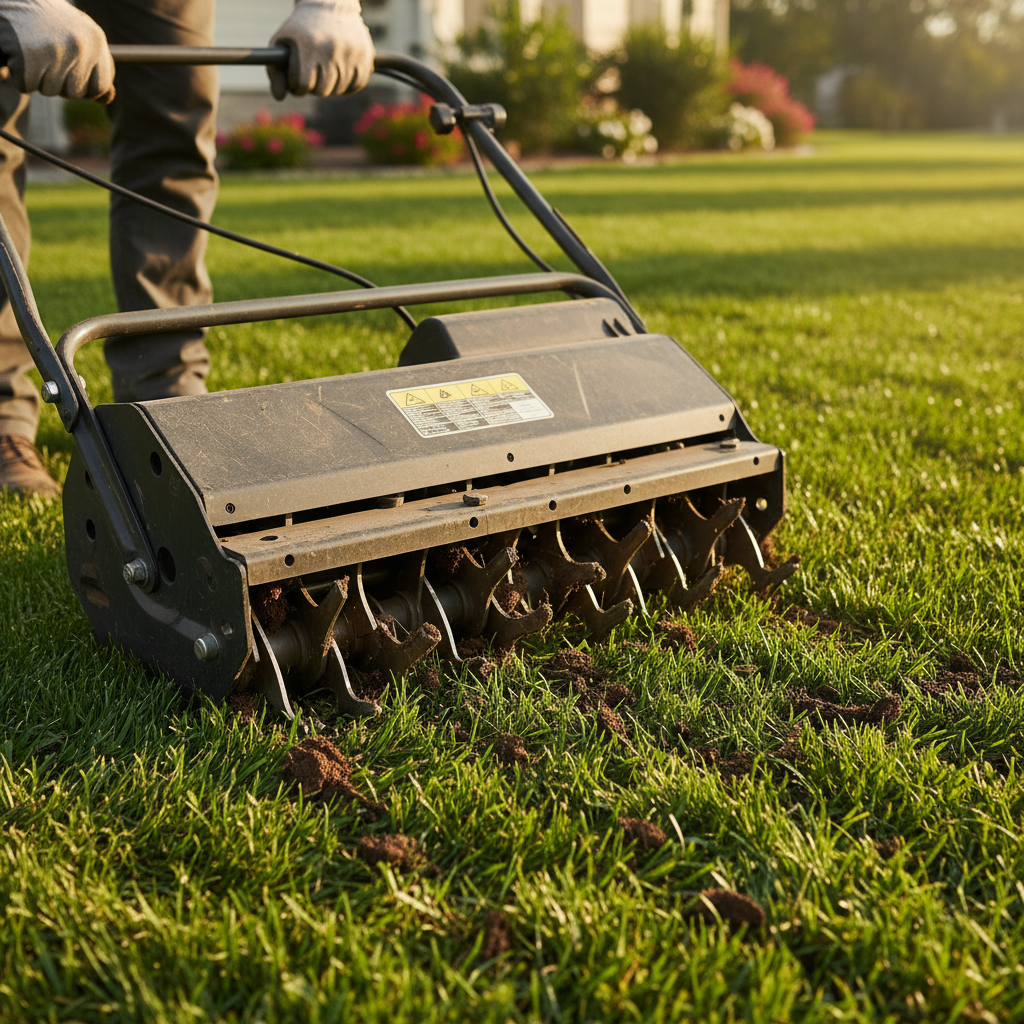
For effective aeration, select the right equipment. Core aerators are recommended as they remove plugs of soil, allowing for better air and water penetration. These machines can be rented from local garden centers if you don't own one.
Mastering Composting in Humid Conditions
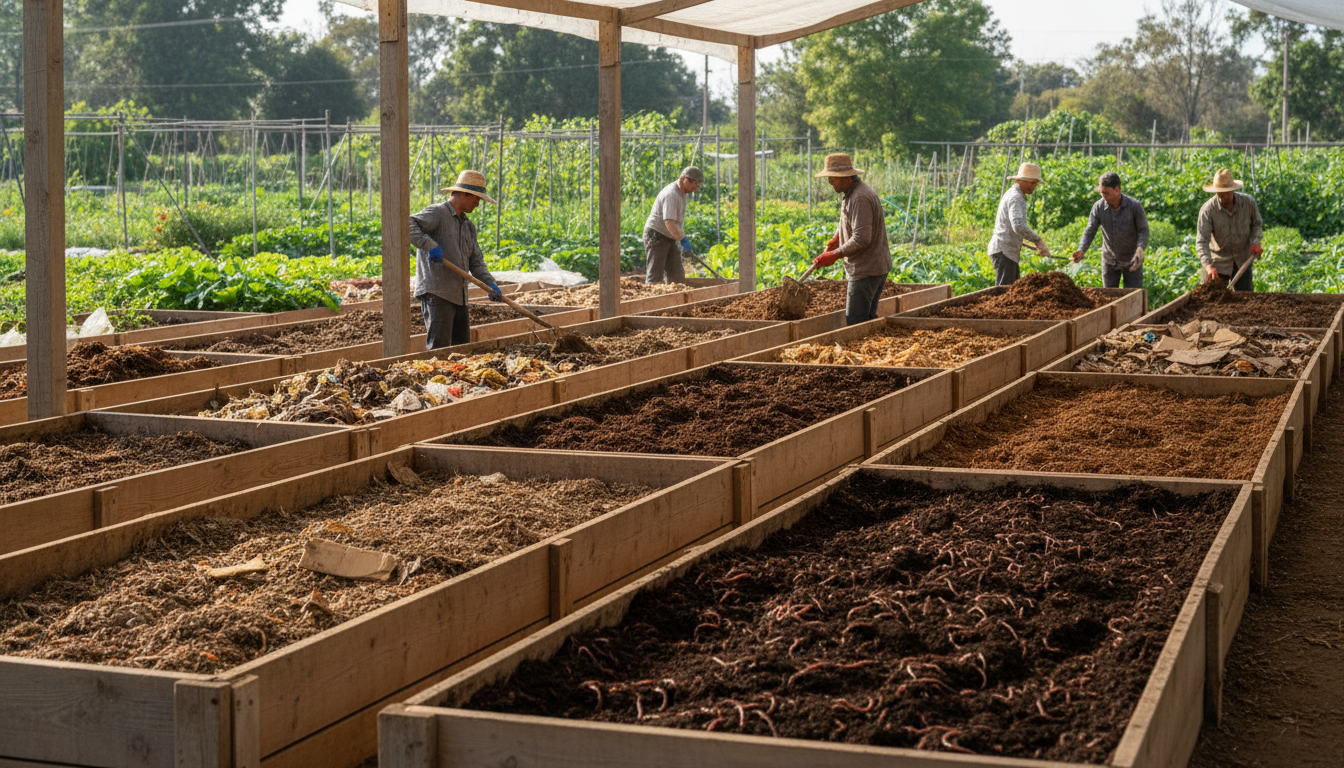
Composting in Florida's humid climate requires some adjustments to traditional methods. The high moisture levels can lead to overly wet compost piles, which may slow down decomposition. Monitoring the moisture level is key to successful composting.
Balancing Moisture and Ingredients
Ensure your compost pile has a balanced mix of green materials, like grass clippings, and brown materials, such as dried leaves. This balance helps maintain the proper moisture and prevents odors. Turn the pile regularly to aerate and speed up the decomposition process.
Utilizing Native Plants
Incorporating native plants into your landscape can reduce the need for frequent aeration and intensive composting. Native plants are adapted to local conditions and typically require less maintenance. Consider integrating them into your garden to enhance sustainability.
Conclusion: Sustainable Practices for a Healthy Garden
By understanding and adapting to Florida's unique climate, you can effectively manage aeration and composting to create a lush, healthy garden. Implementing these expert tips will ensure your landscape thrives despite the challenges presented by the Sunshine State's environment. Embrace these sustainable practices to enjoy beautiful, resilient gardens year-round.