Expert Tips for Aeration and Composting: Boosting Lawn Health

Understanding Aeration and Its Benefits
Aeration is a crucial process for maintaining a healthy lawn. It involves perforating the soil with small holes to allow air, water, and nutrients to penetrate the grass roots. This helps the roots grow deeply and produce a more vigorous lawn. Over time, soil can become compacted, hindering the flow of essential elements. Aeration alleviates compaction and promotes a thriving lawn environment.
The best time for aeration is during the growing season when the grass can heal and fill in any open areas after soil plugs are removed. For cool-season grasses, aerate in early spring or fall, while warm-season grasses benefit most from aeration in late spring.
Choosing the Right Tools
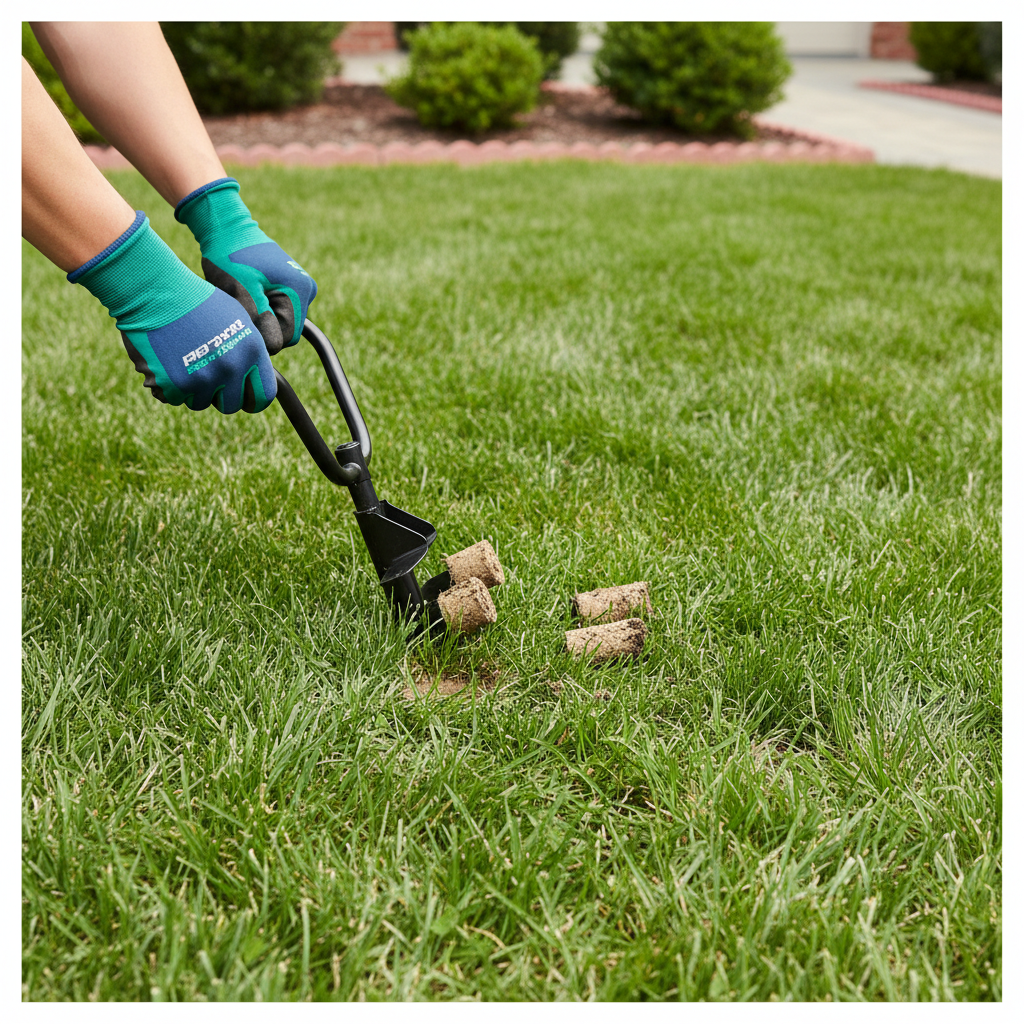
There are different tools available for aeration, including spike aerators and plug aerators. Spike aerators use a solid tine to poke holes in the soil, while plug aerators remove a core or plug of soil from the lawn. Plug aerators are often more effective because they reduce compaction and improve soil structure more efficiently.
When selecting equipment, consider the size of your lawn and the extent of compaction. For small lawns, manual aerators might suffice, but larger areas may require motorized equipment. Renting a machine from a local garden center can be a practical solution.

Composting: A Natural Boost for Your Lawn
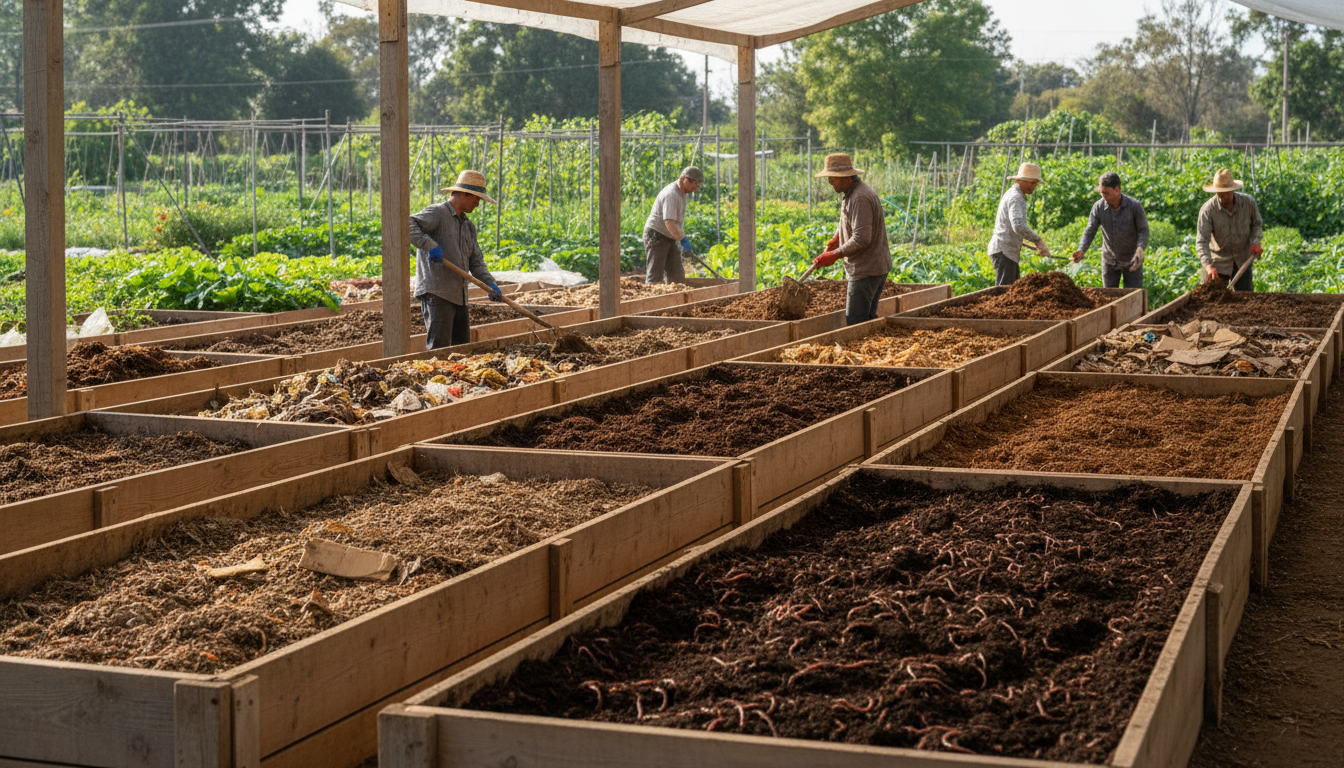
Composting is an excellent way to enrich your lawn with natural nutrients. Compost is decomposed organic matter that can improve soil structure, increase water retention, and provide a slow release of nutrients. Creating your compost involves collecting yard waste, kitchen scraps, and other organic materials.
To start composting, select a suitable location with good drainage. Use a mix of green materials (like grass clippings and vegetable scraps) and brown materials (such as leaves and twigs) to maintain balance. Regularly turning the compost pile aids in decomposition and prevents odors.
Applying Compost to Your Lawn
Once your compost is ready, it can be applied to your lawn to enhance soil quality. Spread a thin layer of compost over the lawn and rake it in to mix with the soil. This process not only adds nutrients but also improves the soil's ability to retain moisture.
Applying compost in conjunction with aeration can be particularly beneficial. The holes created during aeration allow the compost to reach deeper into the soil, promoting healthier root growth and improved grass resilience.
Combining Aeration and Composting for Optimal Results
For best results, consider integrating aeration and composting into your regular lawn maintenance routine. Aerate the lawn first to break up compacted soil, then apply a layer of compost to provide nutrients. This combination ensures that your lawn receives the maximum benefits from both processes.
By following these expert tips, you can significantly improve your lawn's health and appearance. Consistent care and attention to soil health will reward you with a lush, green lawn that is the envy of the neighborhood.